For many, COVID-19 brought about some unexpected hobbies, such as sourdough bread baking and indoor gardening. But for Edith Fuentes, an administrative assistant in Early Learning Services, her COVID hobby was chickens.
It all started when her husband suggested owning some chickens as a source of fresh eggs. Now, that doesn’t sound like a big ask — unless you have a fear of chickens. And at that point, Edith did.
She had been attacked by a rooster as a child, and with a couple of cats and dogs already in the family, the last thing she wanted was to add chickens to the mix.
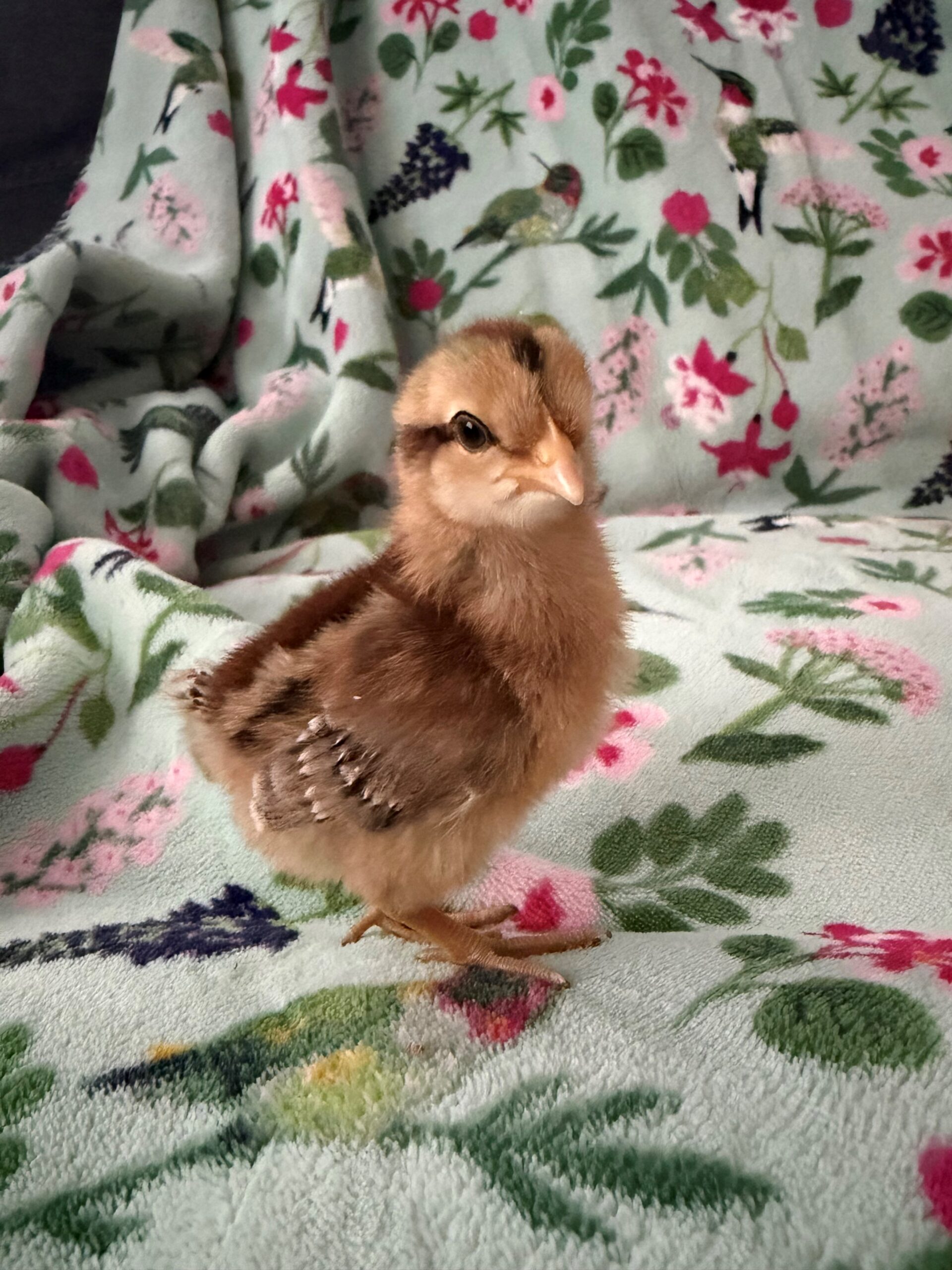
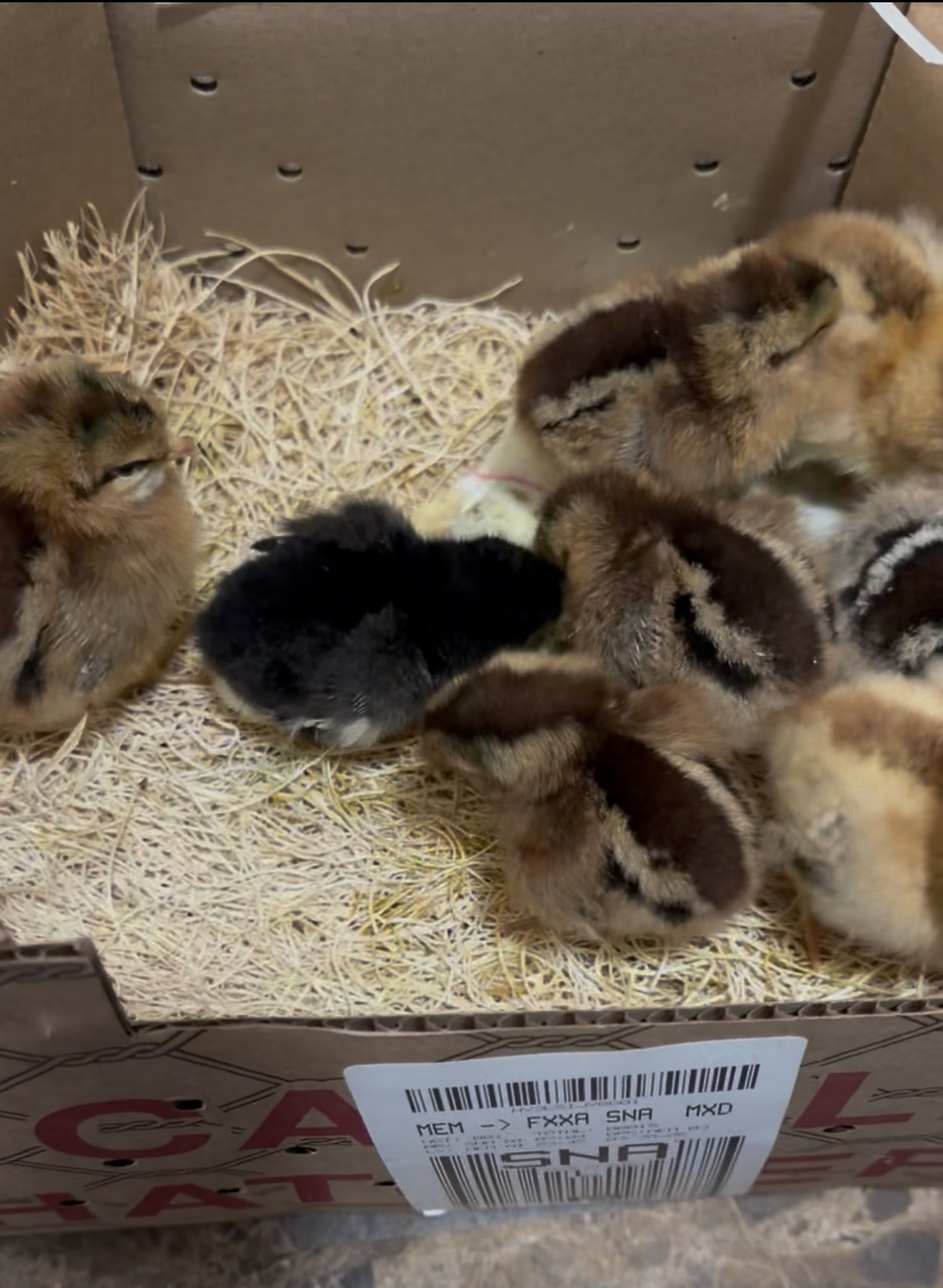
But after some convincing and a lot of research, Edith finally gave in and ordered her first three chicks from a hatchery in Missouri.
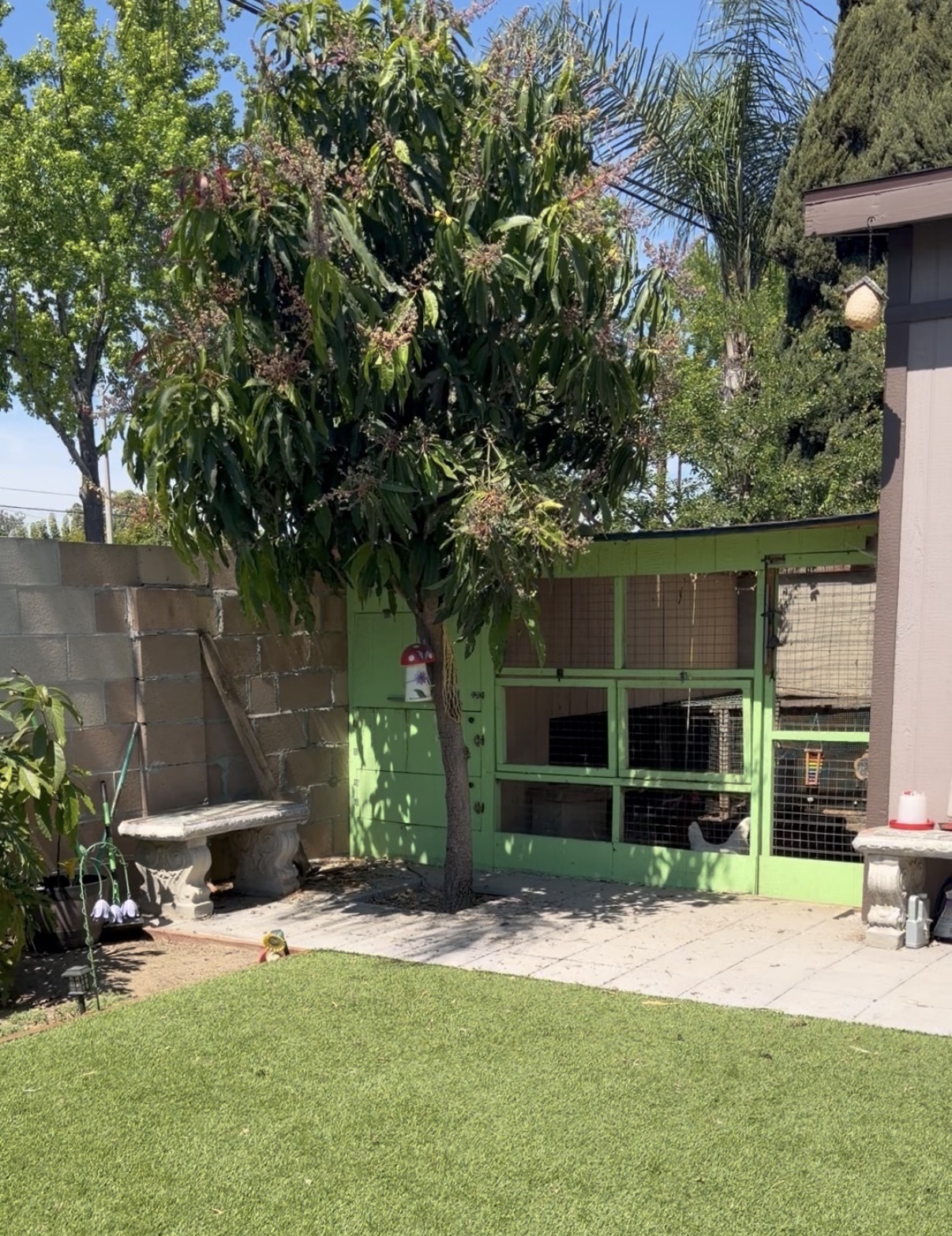
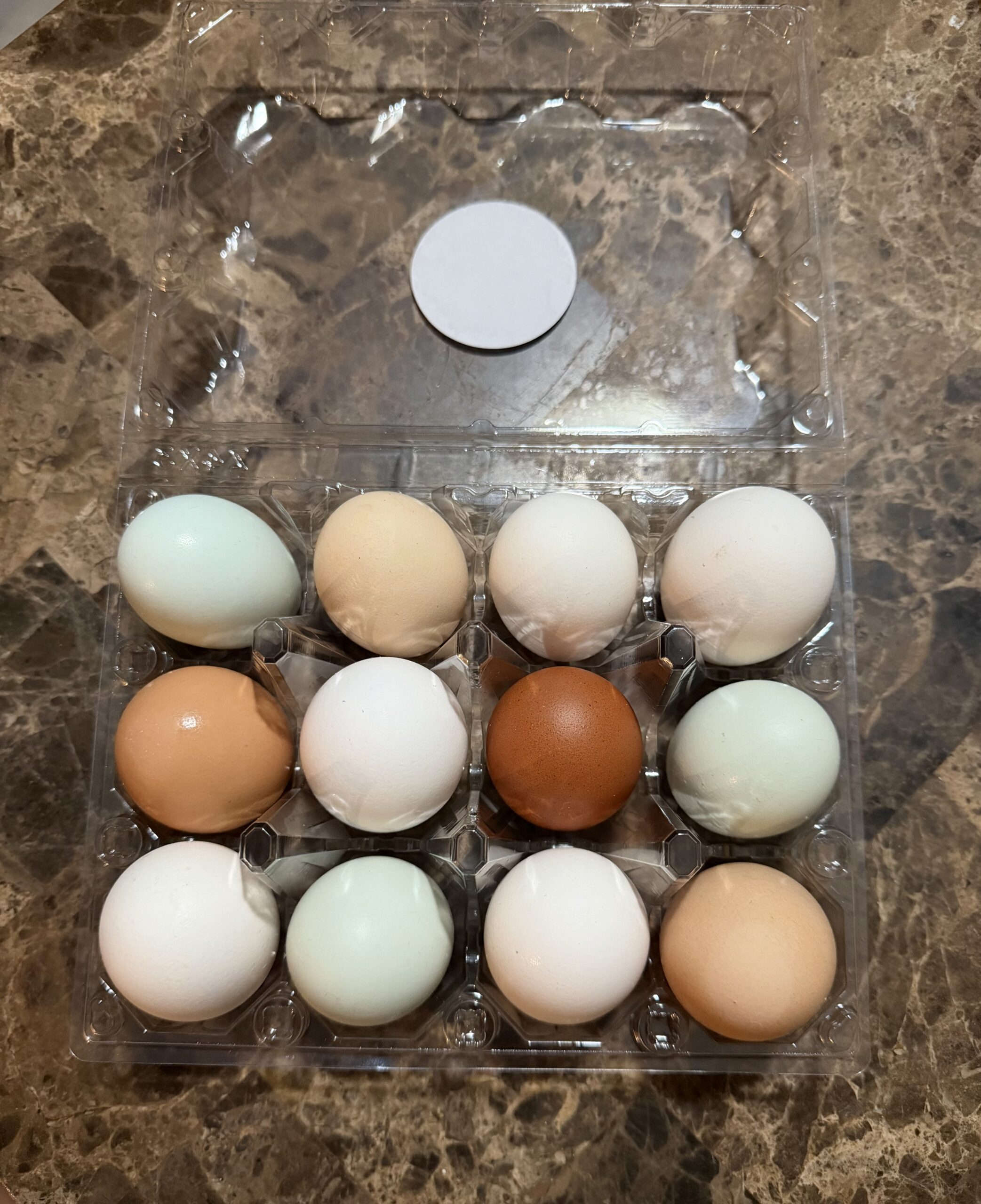
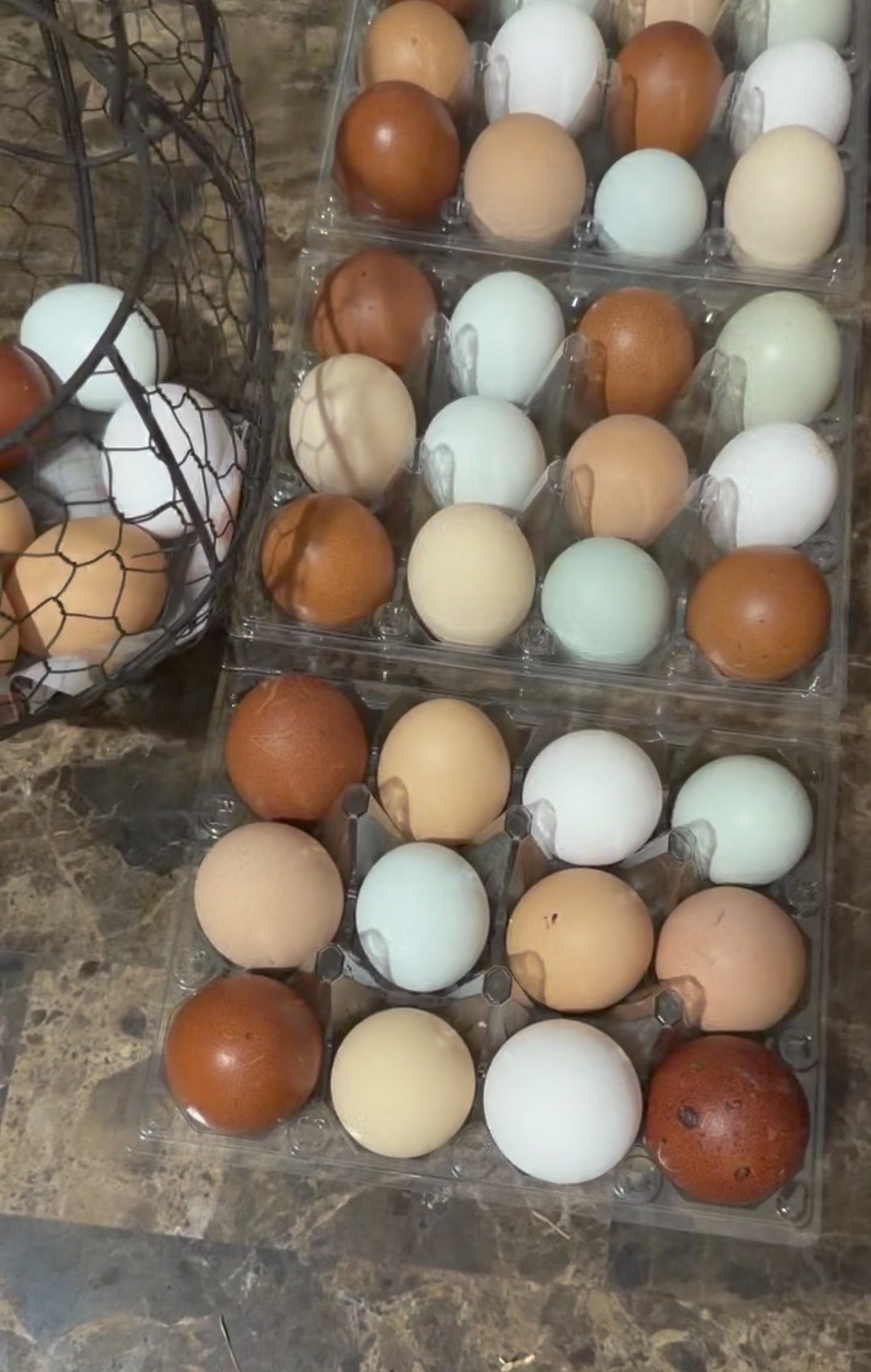
Her husband built a large walkable coop, and Edith went from being afraid of chickens to hand-feeding them, learning their breeds and recognizing their individual personalities. She also discovered that her flock produces some pretty colorful eggs, including shades of blue, green and brown.
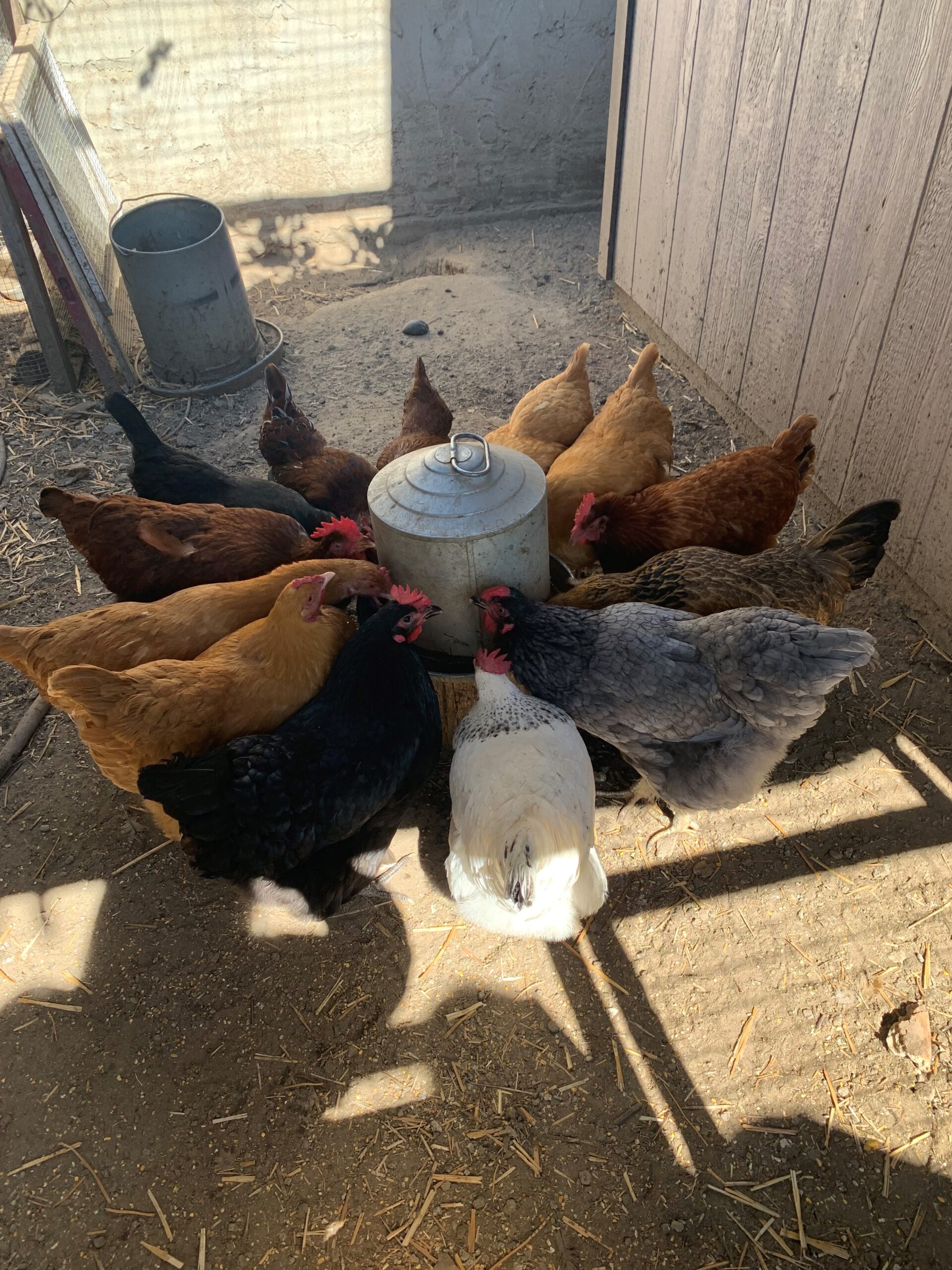
Over time, those first three chickens became 28.
The flock produces roughly 10 to 20 eggs a day, which helps offset the cost of feed. Edith also recycles eggshells and food scraps back to the chickens to provide calcium and minimize waste.
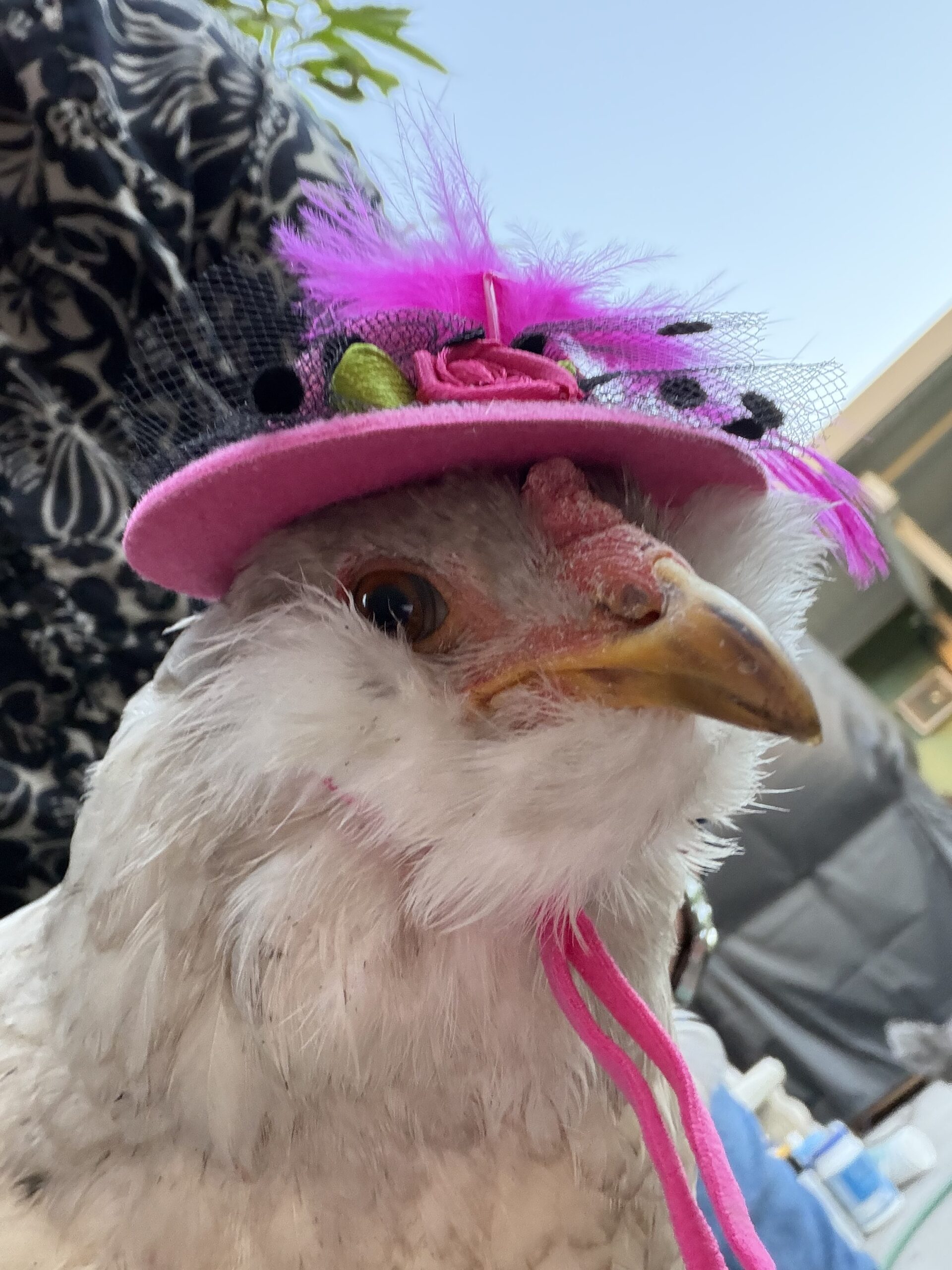
One of her favorites (don’t tell the others) is Olive, an especially affectionate hen who lays light olive-green eggs. Edith tries to hide her favoritism from the other hens, but when Olive is the only one that’s allowed inside the house, it’s pretty clear.
Olive will “cluck” at the screen door, asking to come inside so she can eat all the crumbs on the kitchen floor. She also wears a harness and leash so Edith can take her in the car to enjoy some “cluck cups” — like pup cups, full of whipped cream, but for chickens.
Then there’s Karen, or better known as, “Karen Houdini.”
Karen earned her nickname by repeatedly escaping from the coop, flying onto roofs or making her way through tree branches. Once free, she also had some unusual preferences when it came to laying eggs. Dog beds, plastic boxes and pretty much anywhere except the nest boxes Edith had provided.
After adding some netting to the branches she used for her escapes, Edith finally managed to keep Karen closer to home. Although she still refuses to fully conform, laying her eggs on the ground in a last act of defiance.
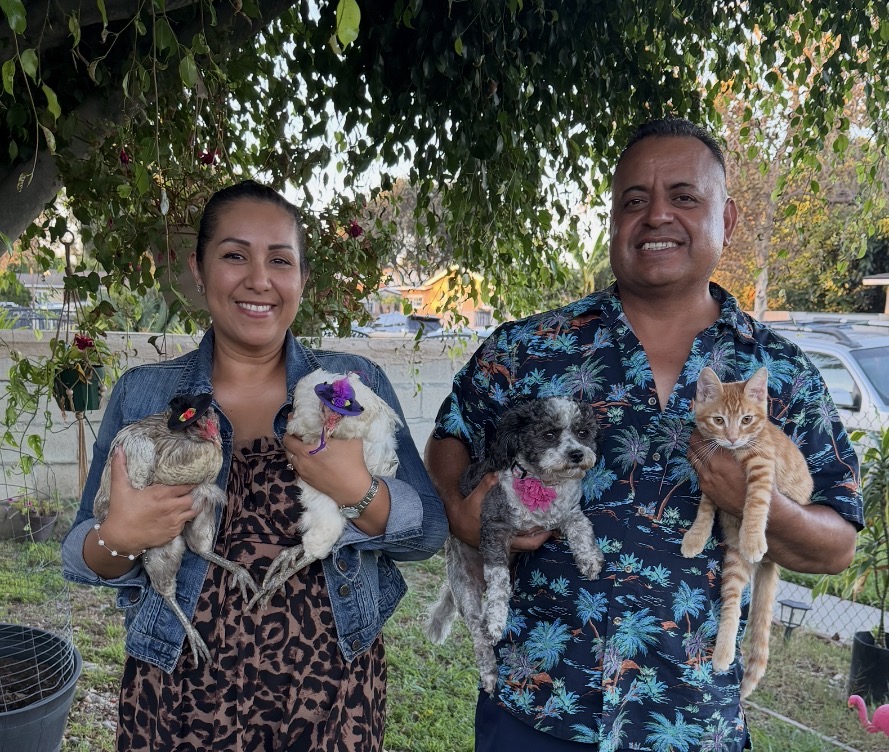
The chickens also share their home with three dogs — two elderly Doberman Pinschers, Lulu and Toby, and a Yorkie-Poo named Patches — as well as two cats, Pixie and Frankie. Getting the dogs accustomed to the chickens took some work, but these days, they coexist peacefully, while Pixie enjoys “chicken-watching” from outside the coop.
Recently, Edith has been testing a theory from a study she came across suggesting that exposing hens to cats could prompt the birds to produce an antibody that helps neutralize Fel d 1, the primary protein responsible for cat allergies. The idea is that someone with cat allergies who consumes the eggs from those hens could potentially build up a tolerance to the allergen.
While Edith is still in the testing phase, she hopes the experiment might one day help her daughter overcome her own cat allergies.
And who knows? With the amount of chicken research Edith conducts, maybe one day she’ll discover that chickens are actually the key to understanding the universe, or even human consciousness.
Never say never.