

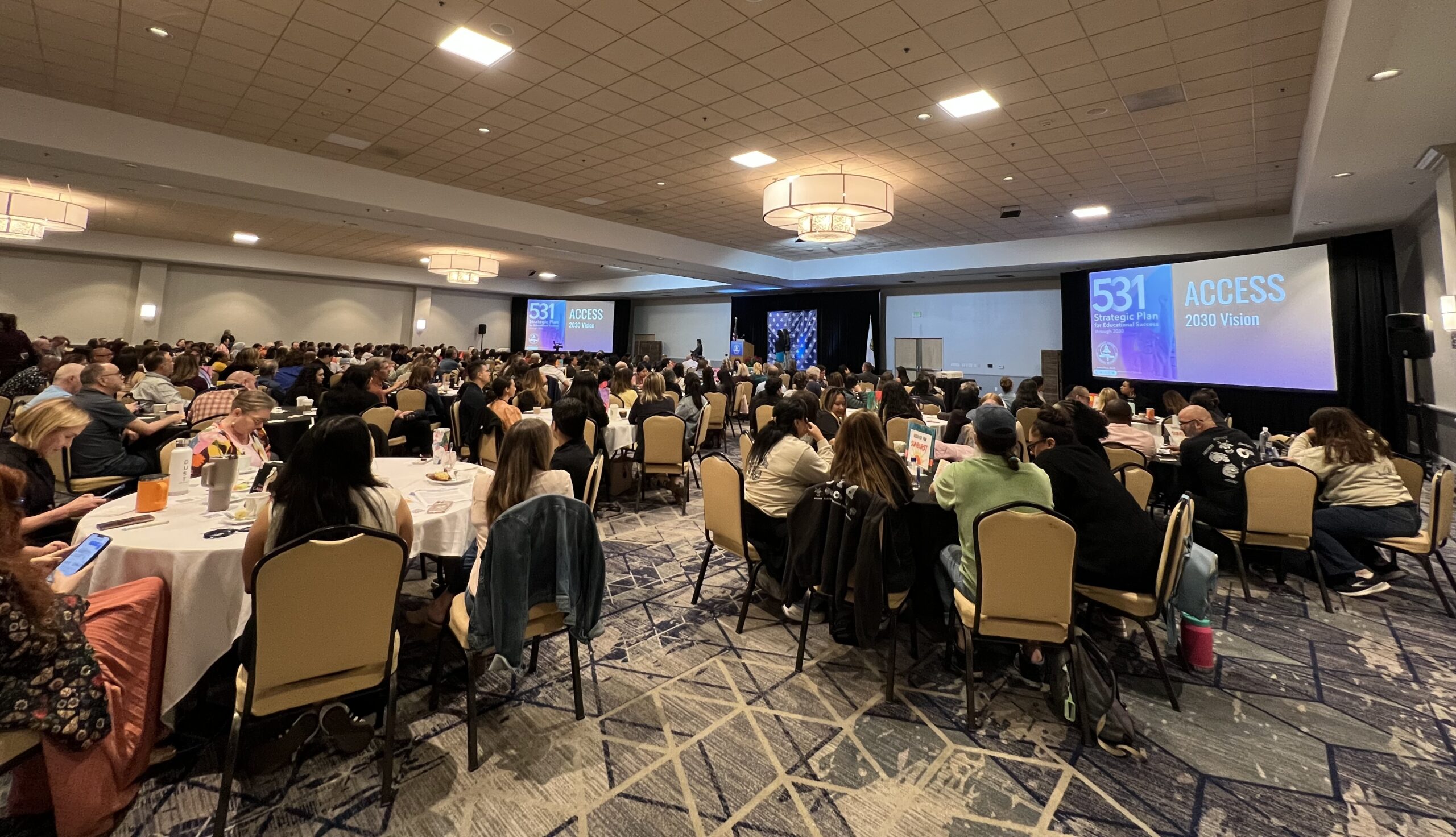
Framed by the theme of the Sankofa bird — a West African symbol of looking back to move forward — ACCESS staff gathered on Friday, May 16, for a vision-setting in-service that celebrated progress, acknowledged challenges and charted a bold new path for the future.
The daylong event, held at the Delta Hotels Anaheim Garden Grove, brought together teams from across the county to officially unveil the ACCESS 2030 Vision, a student-centered roadmap designed to empower every learner to thrive academically, socially and emotionally — and to succeed beyond the classroom.
“We must honor our experiences of the past two, three decades of ACCESS,” County Superintendent Dr. Stefan Bean told the audience in his opening remarks. “Our experiences, our past, our challenges, our successes — they create who we are as current leaders, so that we can move forward, and that’s the idea for today.”
Survey feedback
The morning continued with a joint presentation from Dr. Diane Ehrle, OCDE’s administrator of continuous improvement, and Leading Elephants, a consulting firm specializing in leadership development and organizational culture. They shared key takeaways from OCDE’s recent Culture and Climate Survey, which drew more than 300 responses, along with insights from over 100 focus group conversations with ACCESS staff.
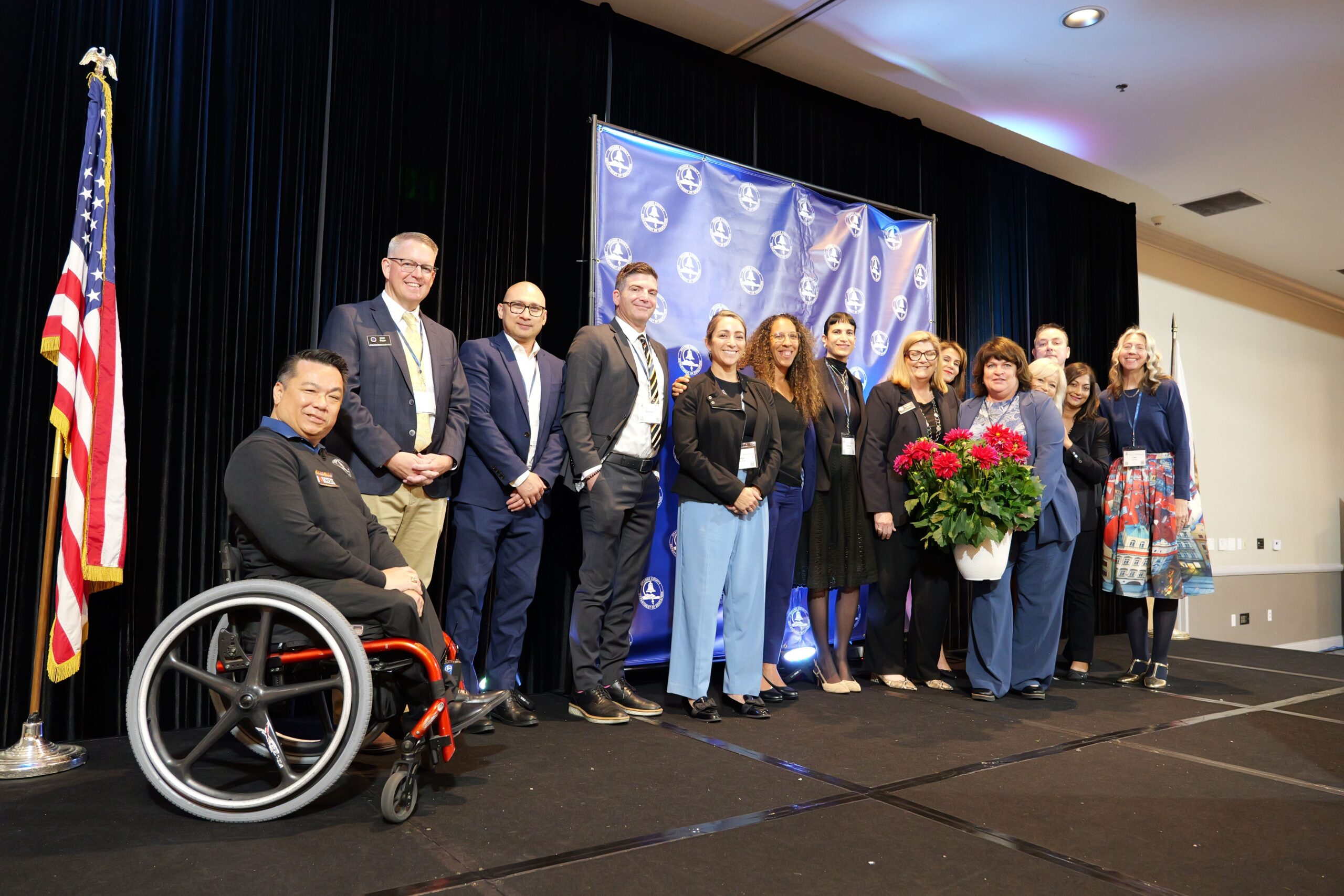
The presentation underscored both the deep commitment that drives ACCESS and the organizational challenges that have shaped staff experiences and workplace culture in recent years.
Dr. Bean spoke candidly about those challenges, emphasizing the importance of restoring trust and cultivating a shared sense of purpose. He reminded the team that “Culture eats strategy for breakfast,” quoting management expert Peter Drucker to underscore the role of a supportive, healthy workplace culture in achieving lasting success.
Staff was also shown direct feedback from the survey, which reflected both pride in the work and a strong desire for more consistent leadership, clearer communication and greater collaboration.
ACCESS 2030 Vision
From there, Dr. Bean officially unveiled the ACCESS 2030 Vision, a framework aligned with OCDE’s 5-3-1 Strategic Plan. The vision outlines five key priorities that will guide ACCESS in the years ahead: expanding career readiness and CTE pathways; ensuring instruction is rigorous and personalized; strengthening safety, engagement and attendance; supporting student resilience and social-emotional growth; and building practical life skills, including financial literacy.
Each area includes measurable goals and strategies — such as increasing the number of students earning certifications, participating in SEL activities and completing financial literacy coursework before graduation.
ACCESS principals then took the stage to highlight how these goals are being translated into action at school sites — through efforts such as internships, project-based learning, restorative practices and student-led initiatives like campus government.
Longterm leadership
Midway through the morning, Associate Superintendent Analee Kredel shared her intention to retire within the next year or two and announced that she will begin transitioning back to special education leadership. With the ACCESS 2030 Vision charting a five-year course, she emphasized the importance of positioning the program with consistent leadership that can carry the work forward.
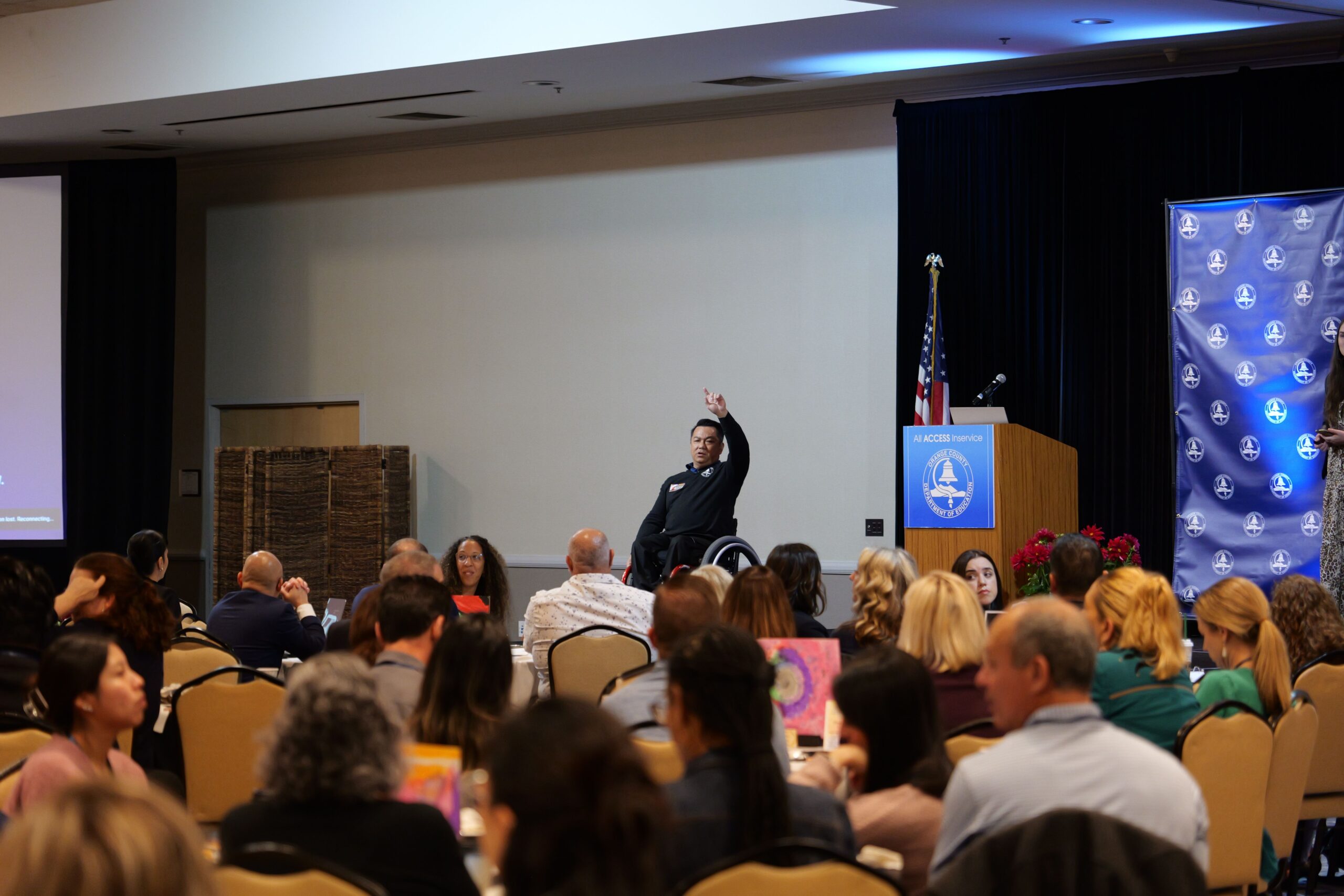
To support this shift and ensure continued momentum, Dr. Bean said OCDE will be adding a cabinet-level ACCESS chief. Kredel, meanwhile, will continue working to expand inclusive practices and strengthen programs that serve students with disabilities both internally and in partnership with districts across Orange County.
Dr. Bean expressed his deep appreciation for Kredel’s leadership, calling the move a strategic step to build long-term capacity and continuity in both ACCESS and special education.
‘Uplift our students’
Staff at the in-service were invited to order ACCESS 2030 Vision polo shirts and OCDE apparel before the morning wrapped with closing remarks from Dr. Bean and a lunch break leading into afternoon breakout sessions.
Looking ahead, ACCESS leaders outlined several next steps to bring the new vision to life. These include naming initiative leads for each priority area, developing visual dashboards to track progress, launching a professional development series aligned with the vision’s goals, and engaging families and students as co-designers in the work ahead. A central focus will be blending the work on vision and culture to build one united picture of progress.
As the morning concluded, Dr. Bean reminded the team that the launch of ACCESS 2030 marks a powerful beginning — but long-term impact will depend on the strength of the culture that supports it.
“Let’s continue to uplift our students and lead with purpose and love,” he said.